Most people have no idea what to do next.
Some panic and rush to the ER. Others wait too long. Both choices can be dangerous. Health systems bleed money from the chaos.
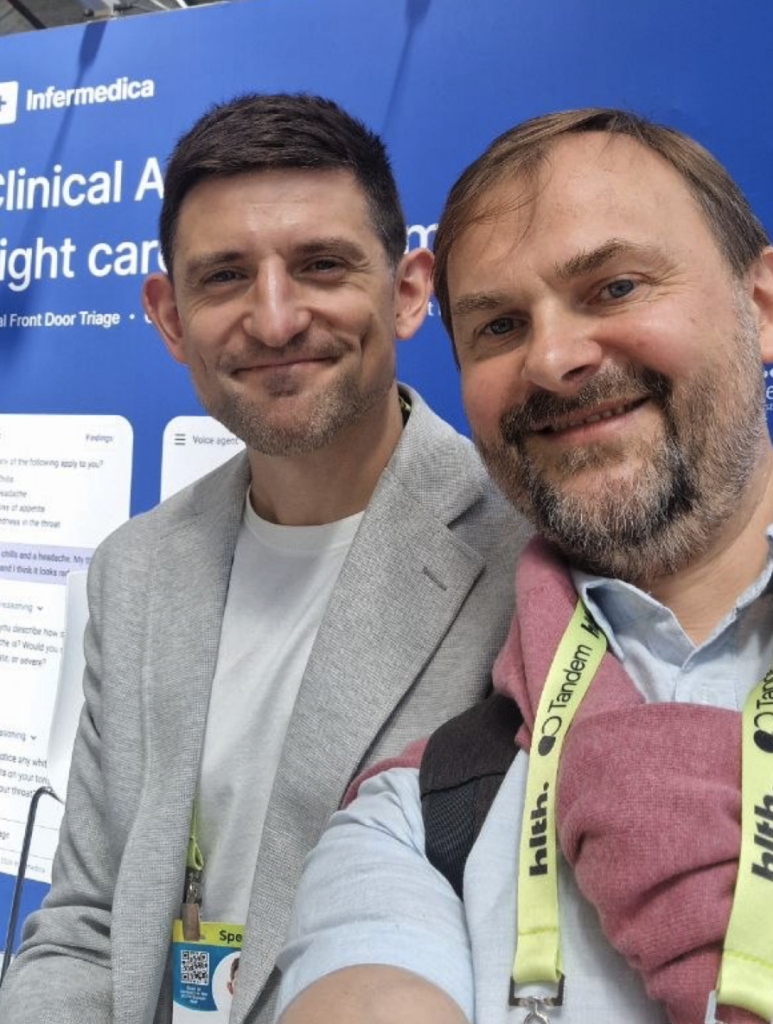
At HLTH Europe, I caught up with Piotr Orzechowski, CEO of Infermedica. He explained how his team has spent fourteen years on this exact problem.
Infermedica‘s approach is careful. They built a clinically validated AI triage tool. It is certified as a Class IIb medical device in Europe. Doctors spent over 150,000 hours on the medical knowledge behind it.
The tool guides patients through a structured interview. It asks the right questions. Then it points you to one clear next step. That might mean staying home. Or it might mean going to the ER. The AI knows the difference.
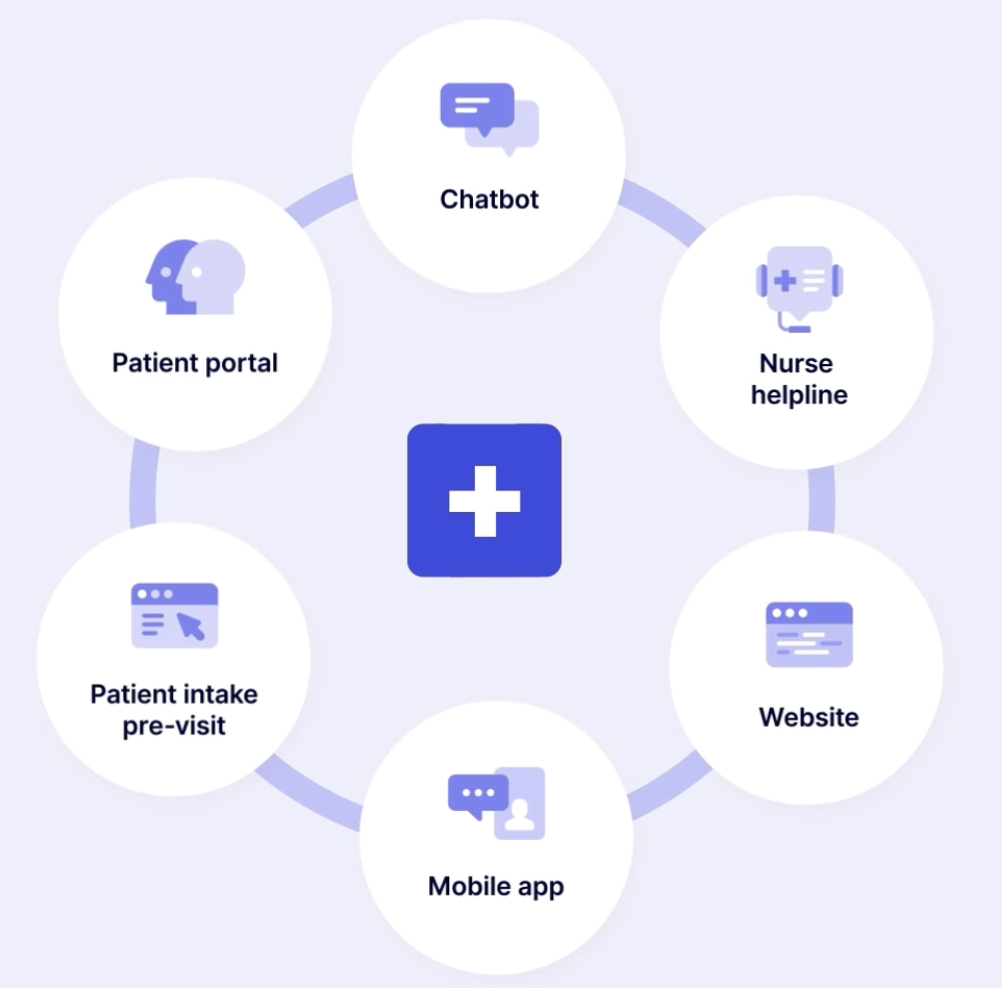
The results seem hard to ignore. In Australia, their Healthdirect partnership covers twenty-six million citizens. Completion rates jumped 71%. Triage accuracy improved by 9%. Overtriage dropped 46%.
They have now completed over twenty-seven million health checks across thirty-five countries.
What strikes me most is their neurosymbolic approach. It pairs large language models with transparent medical ontologies. The AI explains its decisions. Every step is transparent.
At YOUR R&D™, we build software for healthtech companies. We know how painful EHR integration can be. Sales cycles can drag on for eight to twelve months. Infermedica has pushed through both for over a decade.
There is probably a smart way to combine their clinical AI with faster, cleaner system integration.
What do you think? Should every national health system have an AI front door like this?
hashtag#HealthTech hashtag#AITriage hashtag#DigitalHealth hashtag#PatientNavigation hashtag#CareCoordinat