

Millions of people face this awful trade-off every single day.
They wake up with stiff joints and have to figure out how to function.
Constant systemic drugs cause severe side effects over time.
Injections offer targeted local relief.
But they involve needles and endless clinic visits.
It seems like there must be a better way to manage chronic joint pain.
I ran into a fascinating company called TechPain at Web Summit recently.
They built a non-invasive nanodrug delivery system.
Patients can actually control the pain medication themselves.
They do this without a single needle.
The drug goes straight to the joint using advanced nanotechnology.
Fabiana Noronha Dornelles and her team in Brazil are doing incredible work.
Their approach could arguably change how we treat severe joint diseases.
We are watching a major shift in patient autonomy.
Seeing hardware breakthroughs like this reminds me of the software challenges we solve at YOUR R&D™.
Smart physical devices require flawless digital interfaces to actually work for patients.
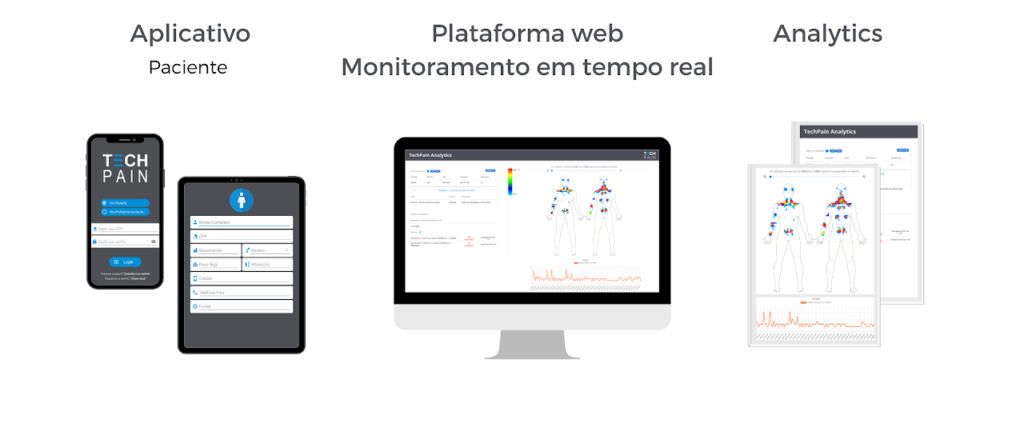
A self-controlled treatment needs a highly secure mobile app to track dosing.
The software architecture plays a massive role in making these physical innovations safe.
How do you think patient-controlled medical devices will shape the future of healthcare?
#HealthTech #MedicalDevices #ChronicPain #DigitalHealth #Nanotechnology