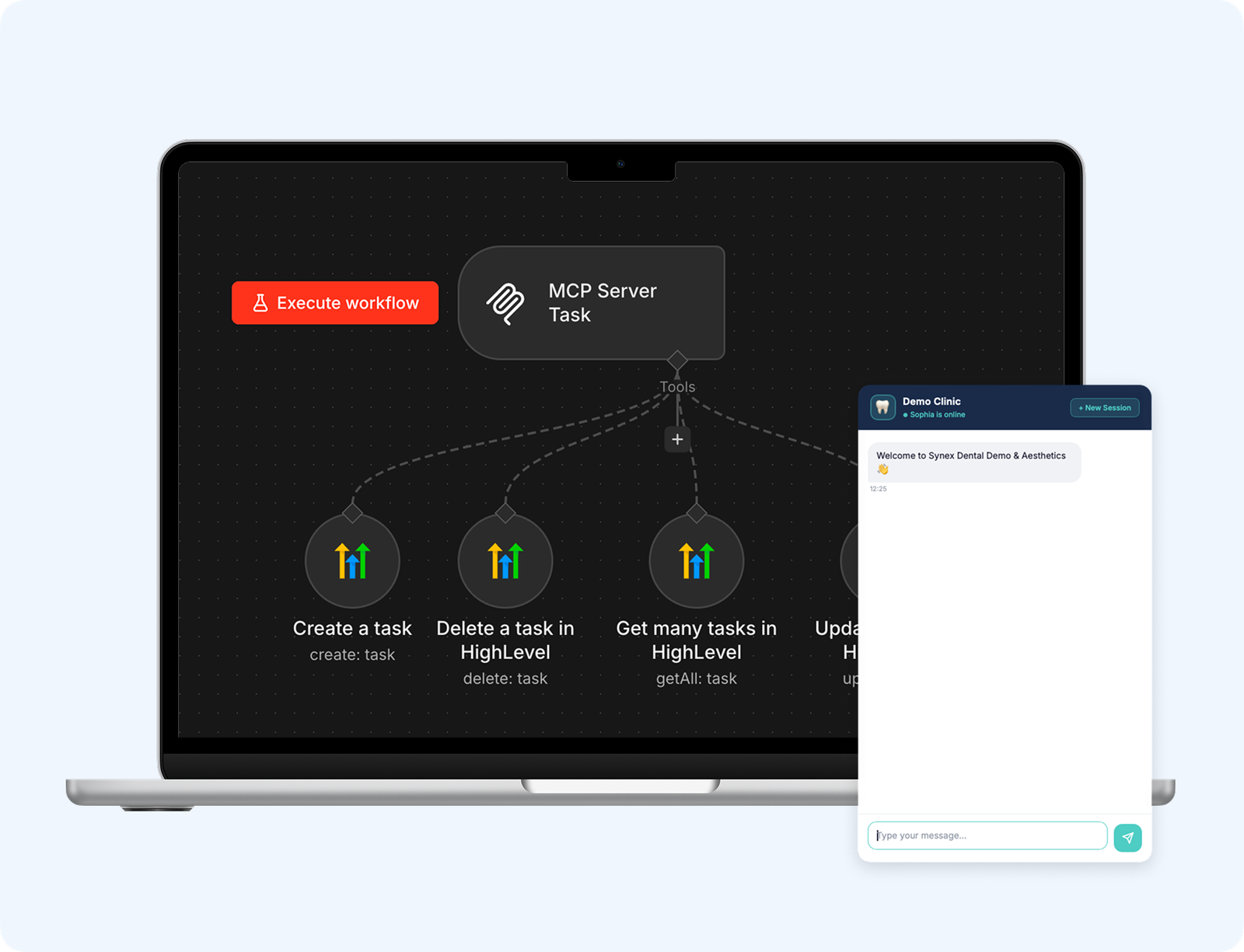
A health and wellness client used GoHighLevel for lead intake, appointment booking, SMS follow-ups, pipelines, and reporting. The system was operational, but the CRM setup had critical risks: duplicate opportunities, broken attribution, unclear pipeline logic, expired integrations, and revenue reports that did not reflect real business performance.
YOUR R&D completed a comprehensive GHL CRM audit and delivered a structured optimisation plan for cleaner lead intake, accurate attribution, reliable opportunity lifecycle logic, and scalable automation.
The client relied on GoHighLevel as the central system for inbound leads, appointment booking, follow-up automation, and sales pipeline tracking. The agreed audit scope included lead entry architecture, workflows, Conversation AI setup, pipeline movement, tagging, calendars, booking logic, SMS/phone configuration, and Phase 2 improvement planning .
The CRM worked on the surface, but the architecture was fragmented. Leads could enter from Facebook, landing pages, website forms, chat, calls, or manual entry, but there was no unified intake logic. Workflows had been created reactively, which caused duplicate deals, attribution gaps, and unreliable analytics.
We treated the project as a CRM architecture audit, not a simple workflow cleanup.
The audit identified several critical issues: expired Facebook integration, broken WooCommerce connection, duplicate Meta workflows, unfiltered Find Opportunity actions, duplicate opportunity creation, unreliable booking checks, and conflicting pipeline logic .
We also reviewed three active pipelines: Main, Paid Traffic — Meta, and Win-Back. The Main Pipeline mixed sales, nurture, lost leads, and post-sale logic, while the Paid Traffic pipeline lacked clear Closed Won / Closed Lost structure. This made conversion and revenue analytics unreliable .
For reporting, we found that the dashboard displayed 221 total opportunities, 76 open opportunities, $0 won revenue, and 0% close rate. The root cause was missing opportunity status updates: workflows changed pipeline stages, but did not update status to Won or Lost .
For attribution, we found empty UTM fields, CRM UI attribution, and inconsistent Opportunity Source values that mixed real channels with form names, workflow names, landing page names, and system defaults. This blocked accurate ad → lead → deal → revenue tracking .
YOUR R&D audited the client’s GoHighLevel CRM setup and automation architecture.
Platform: GoHighLevel contacts, opportunities, pipelines, workflows, source/UTM fields and reporting. Integrations and Conversation AI were reviewed as part of the audit.
The most important business outcome was clarity. The client received a practical roadmap showing what to fix first, why it matters, and how the CRM should be rebuilt to support traffic growth, AI automation, and reliable reporting.
Estimated next phase: 40–64 hours for CRM rebuild, AI/conversion optimisation and analytics stabilisation. This is a planning estimate, not time spent or a completed rebuild.
A GoHighLevel architecture audit covering lead intake, automation, pipelines, attribution and reporting, followed by a structured optimisation roadmap.
Delivery: Diagnosis and prioritised remediation planning.
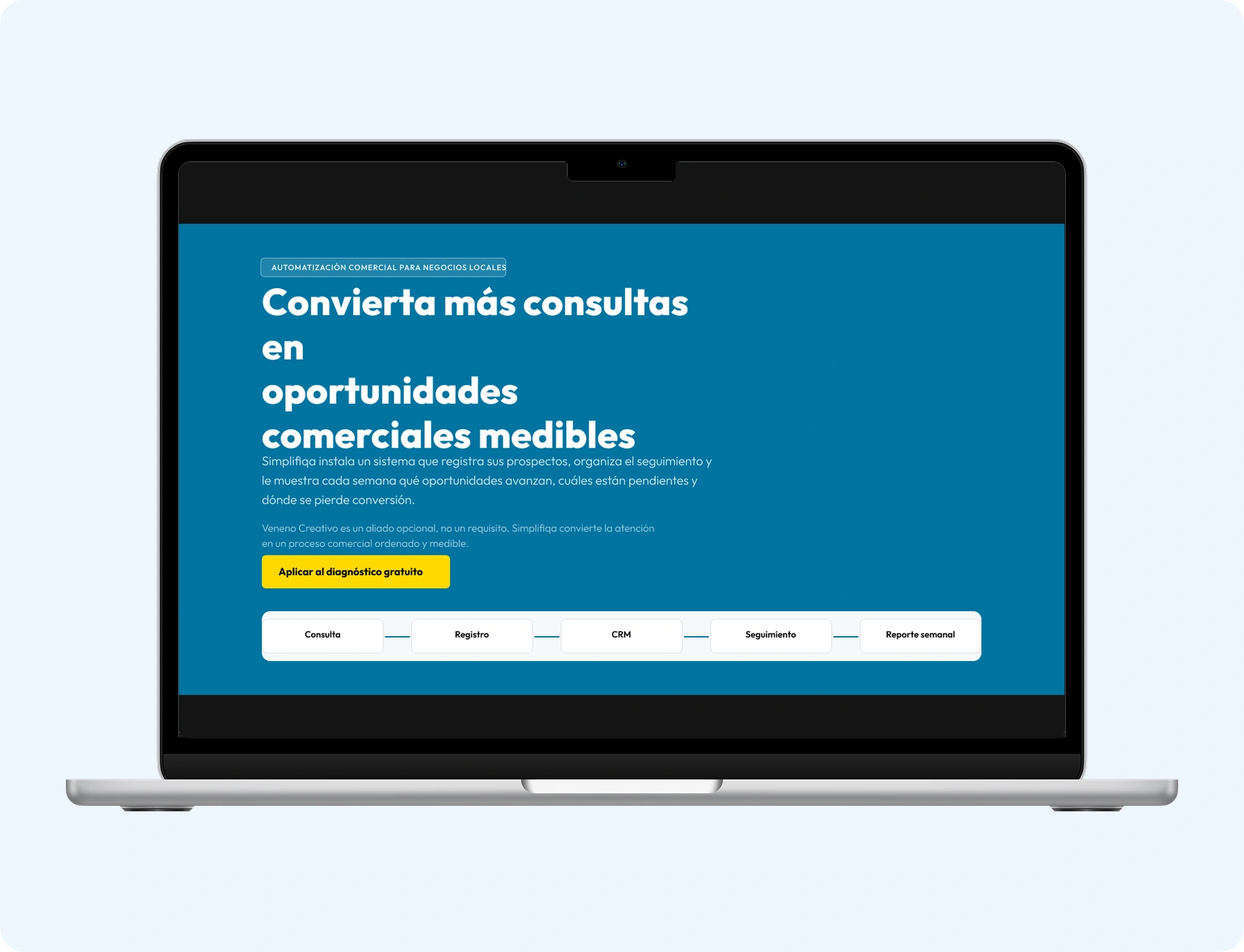
A Spanish-language acquisition and CRM platform for Simplifiqa Honduras, connecting landing pages, lead management, follow-ups and commercial reporting.
Tech: GoHighLevel, Carrd Pro, Make.com, Airtable and WhatsApp Business.
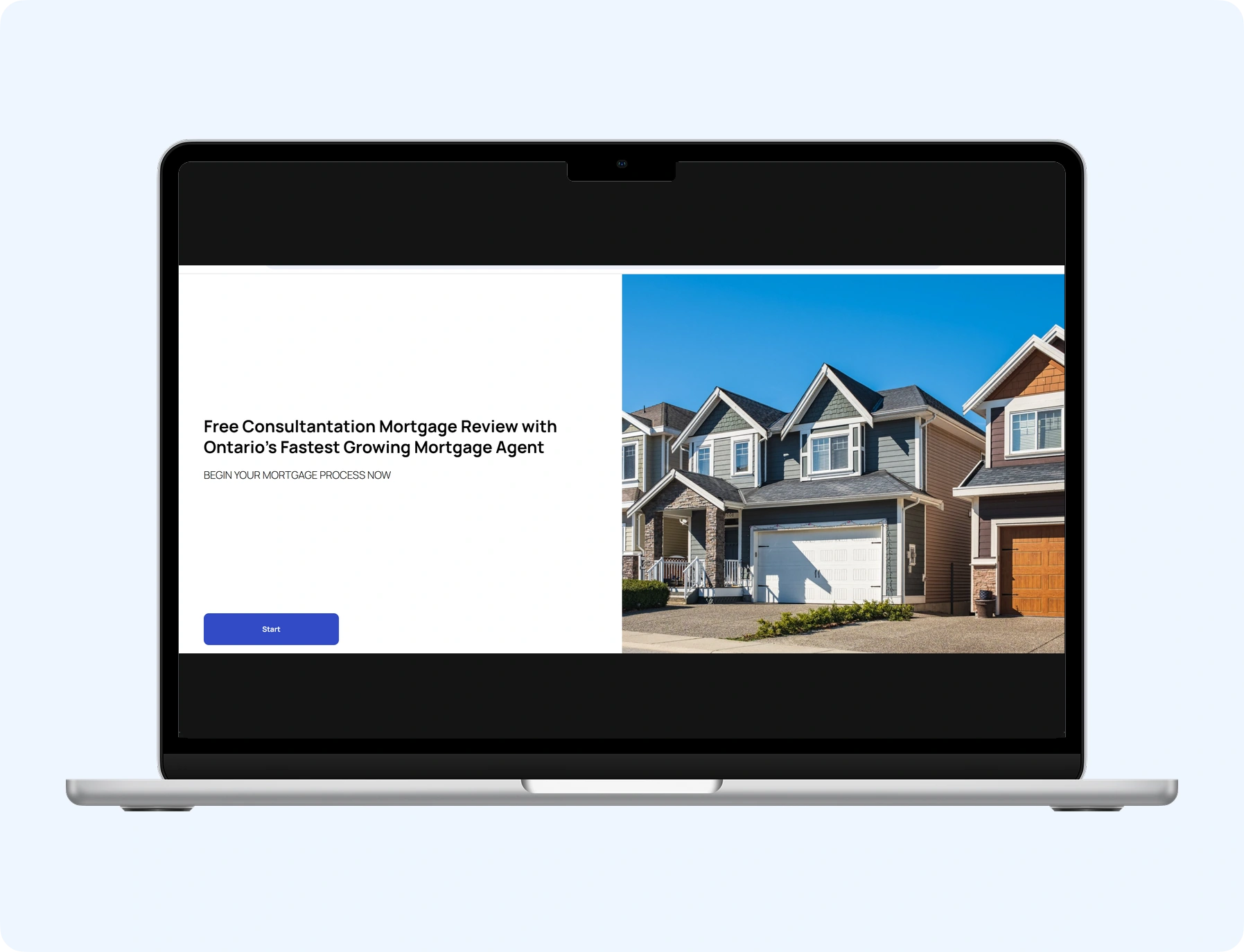
A conversational lead qualification funnel for Huron Mortgages, collecting mortgage intent, funding needs, urgency and borrower details before contact capture.
Tech: Vue.js SPA, AdsQuiz and CRM-ready lead delivery.
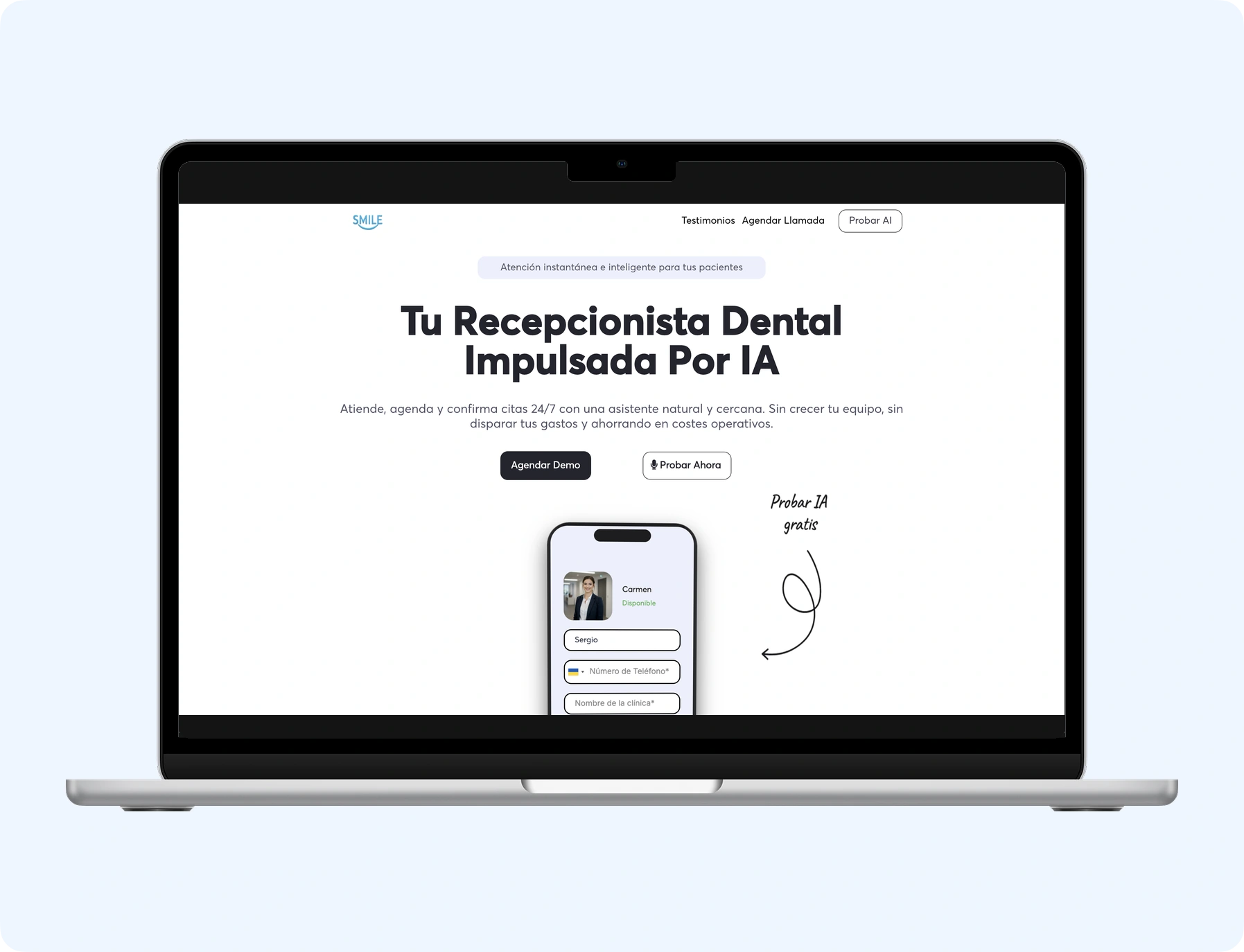
A Spanish-language landing page for SMILE’s AI receptionist, built in GoHighLevel with audio demos, product previews and an embedded demo-booking calendar.
Scope: Funnel architecture, UX strategy and landing-page implementation.
Tech: GoHighLevel, HTML, CSS and JavaScript.
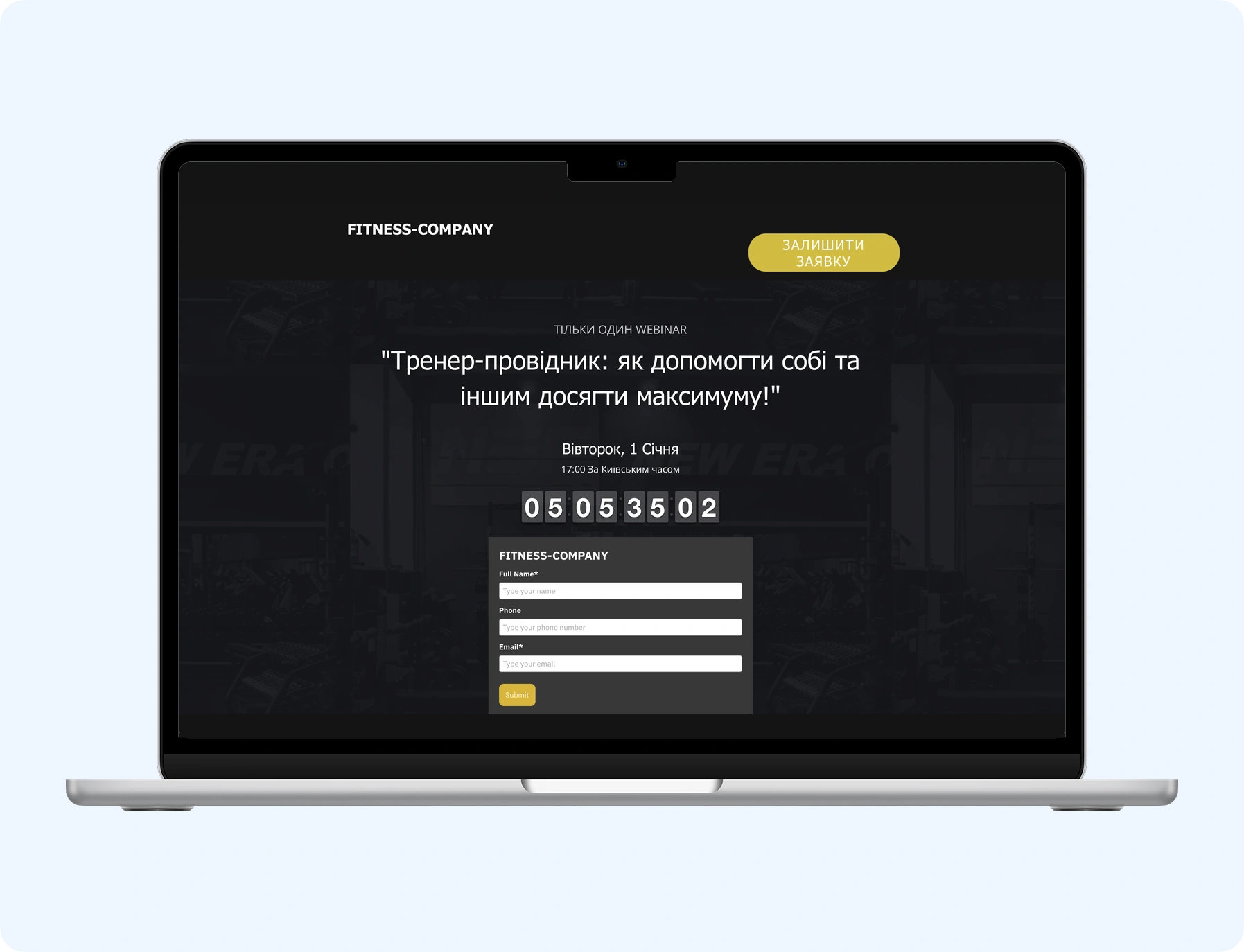
A fully automated webinar funnel for a boutique fitness/education business, from registration to course enrollment.
Scope: Responsive pages, reminders, replay offers, and checkout integration.
Tech: GoHighLevel Page Builder, ActiveCampaign, Stripe, PayPal, and GA4.
Result: +37% attendance vs. previous manual campaigns; 4.8% of attendees purchased during the live webinar.
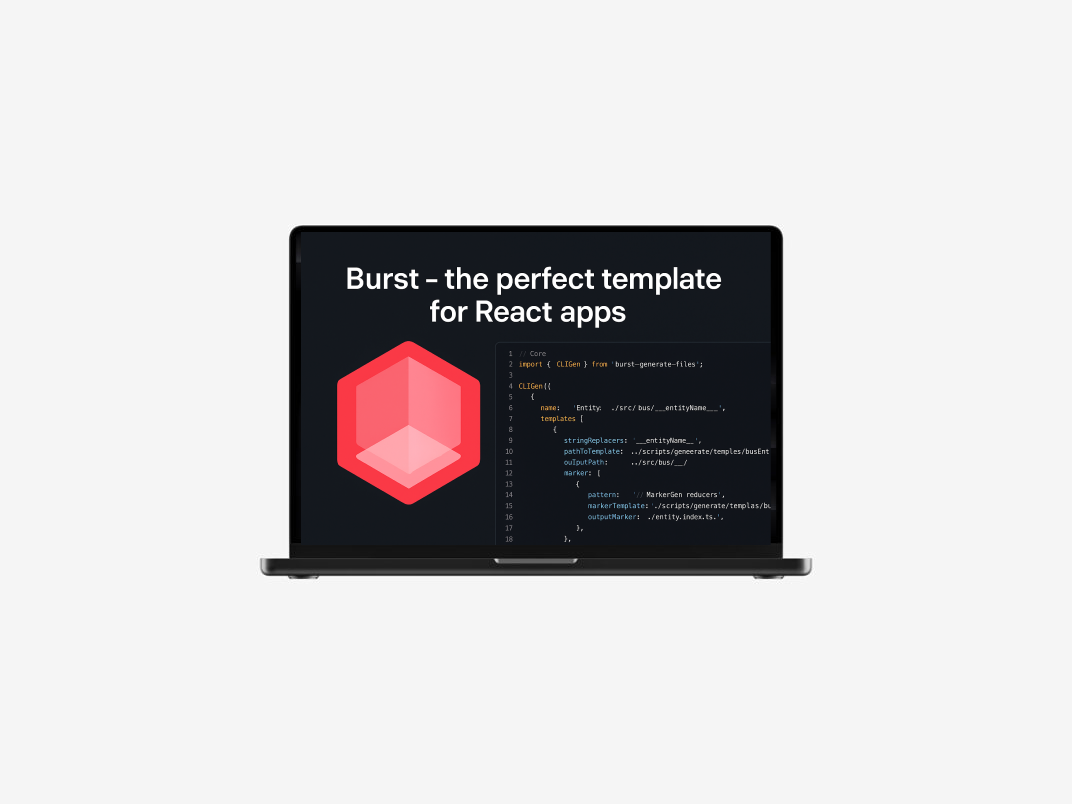
Burst is an open-source React and TypeScript starter template created to remove repetitive setup work and provide developers with a production-ready front-end foundation from day one. As the Founder and Maintainer, YOUR R&D was responsible for the product direction, front-end architecture, developer experience, and open-source delivery.
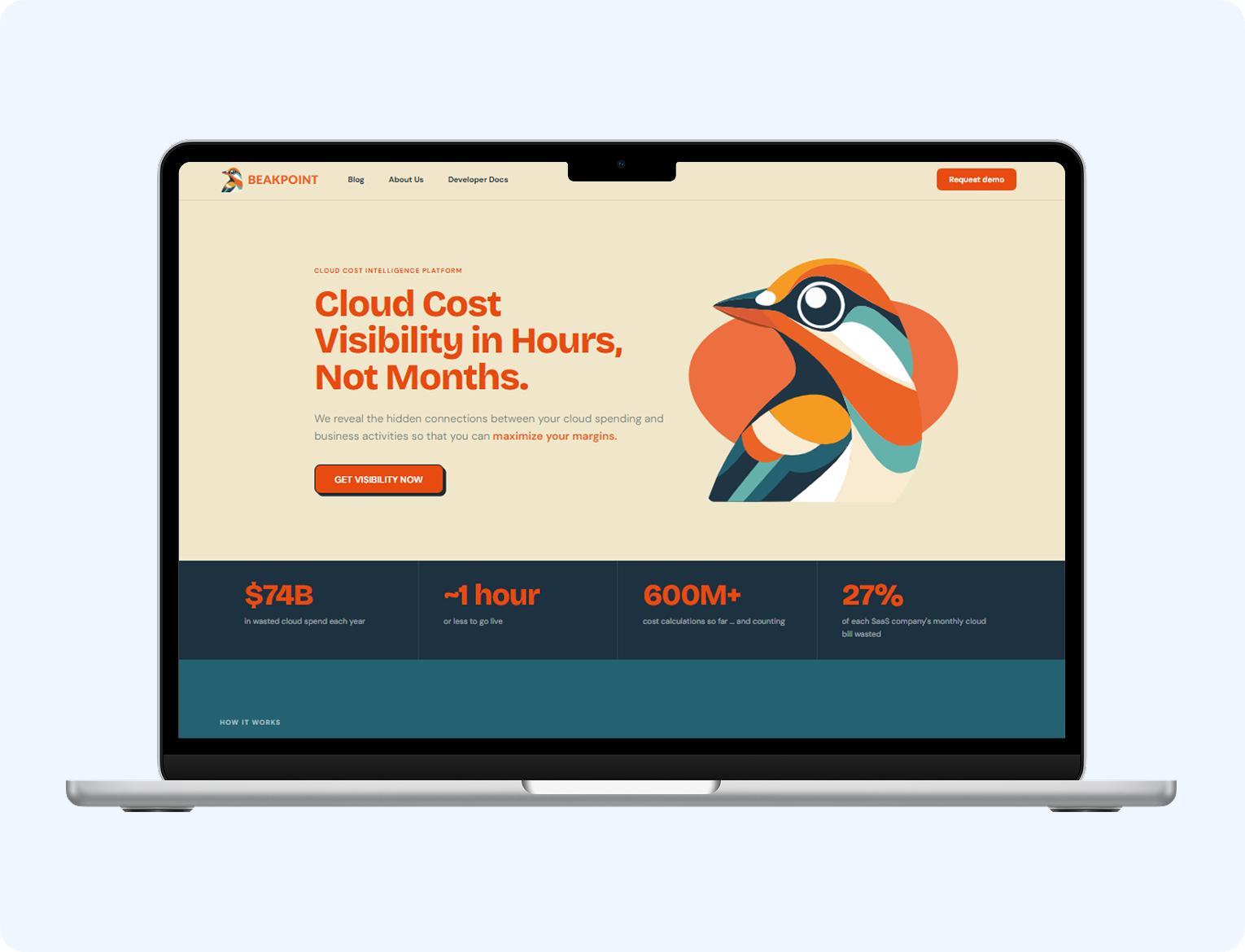
Beakpoint Insights is a cloud cost analytics platform built to help engineering and finance teams track and optimize their AWS and Azure spend in real time. As the Full-Stack Development Partner, YOUR R&D was responsible for the platform architecture, the backend cost-processing engine, the React dashboard design, and the AWS and Azure pricing API integrations.
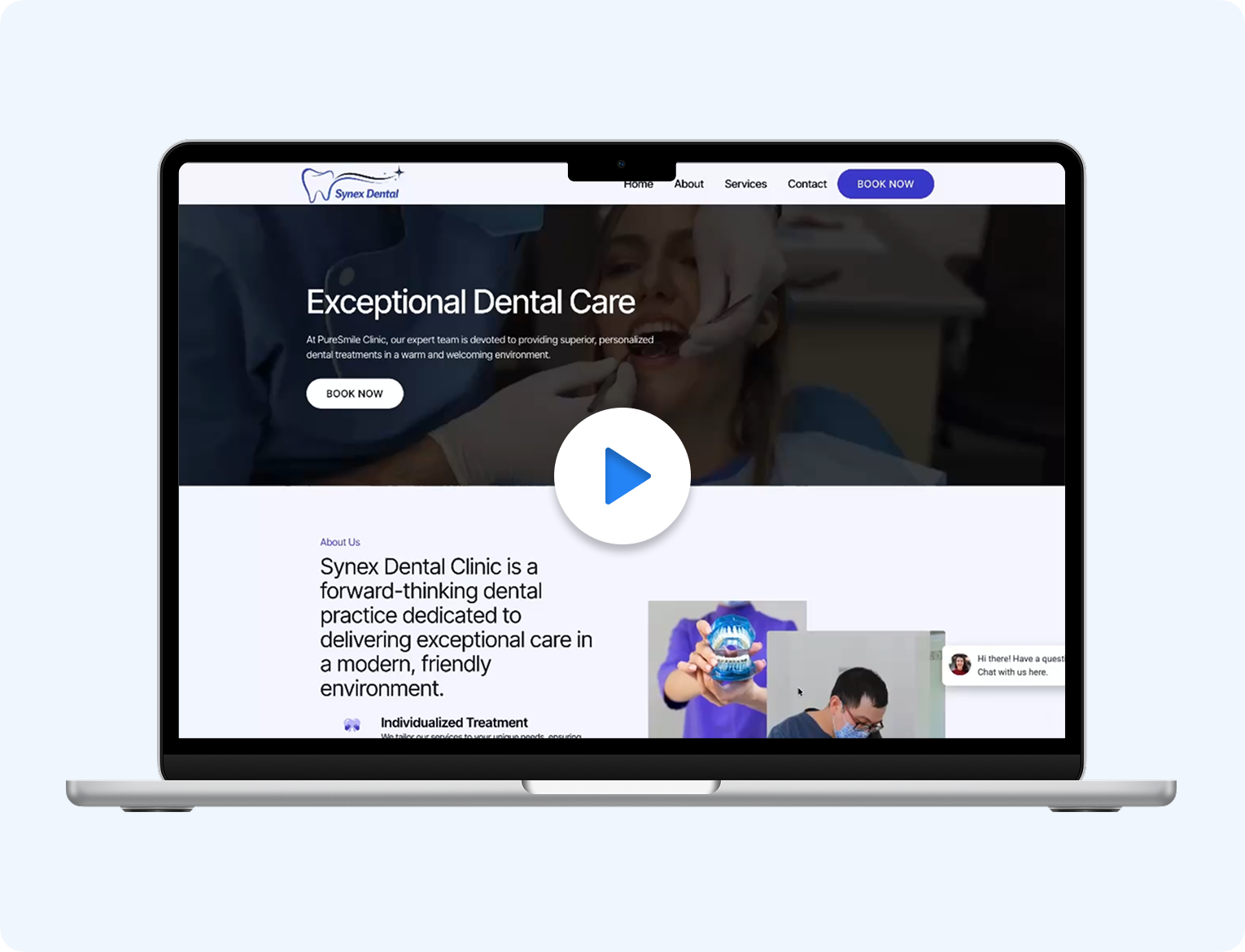
Fully automated patient journey for dental & aesthetics clinics with CRM, AI chatbot, funnels, calendars, SMS, and workflow automation
Scope: CRM setup, funnel & workflow automation,
AI chatbot integration
Tech: GoHighLevel, HighLevel CRM, Funnels, Calendars,
SMS automation, AI workflows
Result: End-to-end automated patient journey, unified lead management, faster response times, and reduced manual clinic operations through snapshot-ready system
Fully automated patient journey for dental & aesthetics clinics GoHighLevel CRM + automation system
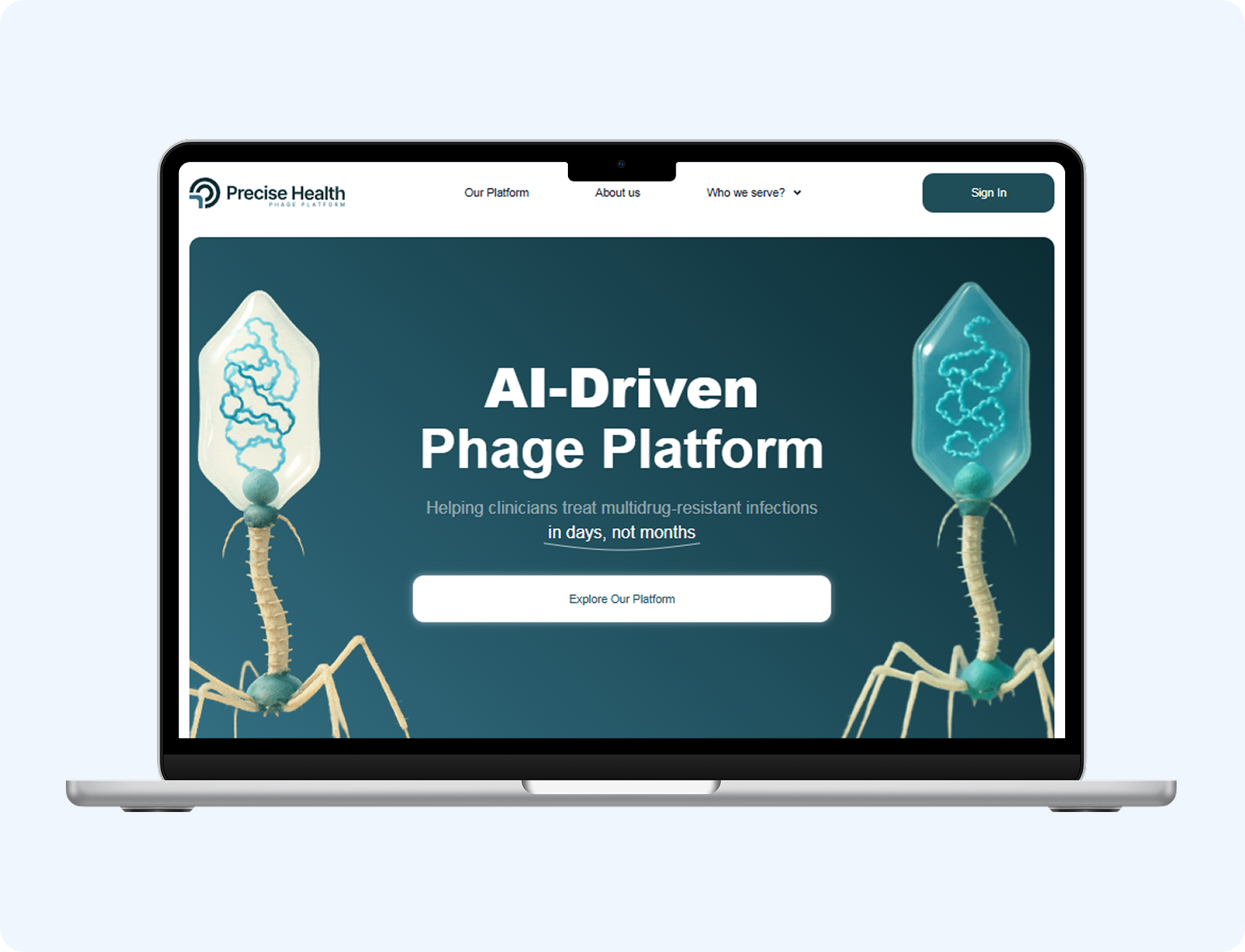
Scope: Front-end development, UI/UX implementation
Tech: React/Vue, API integrations, responsive healthcare UI
Result: Faster clinical workflows, unified global phage network access, and improved usability for complex medical processes
Fully automated patient intake and booking system for medical, dental, and aesthetics clinics with AI receptionist, CRM automation, funnels, calendars, SMS, and workflow orchestration.
Scope: Lorem ipsum dolor sit amet, consectetur adipiscing elit. Sed do eiusmod tempor incididunt ut labore et dolore magna
Tech: Lorem ipsum dolor sit amet, consectetur adipiscing elit. Sed do eiusmod tempor incididunt ut labore et dolore magna
Result: Duis aute irure dolor in reprehenderit in voluptate velit esse cillum dolore eu fugiat nulla pariatur